
Residential HVAC systems are the most important component in homes for comfort and efficient indoor air quality. Their proper maintenance is essential to keep the system running smoothly. You can lower your energy bills, improve air quality, and prevent costly breakdowns if you keep your residential HVAC system in good condition. Regular maintenance can also extend the lifespan of your HVAC equipment and maximize its performance.
Here, we will cover four essential HVAC tips that every homeowner must know.
Know the Type of Your HVAC System
Understanding the type of your HVAC system is the first step in properly maintaining it. Residential systems consist of central air conditioners, heat pumps, furnaces, or hybrid systems. You must know your system’s type so that you can accurately plan care and upgrades for it. Different HVAC models require varying maintenance and repairs, as every model has its own energy requirements and unique parts. For instance, central HVAC systems use ductwork to distribute air, while heat pumps combine heating and cooling functions and may need seasonal checks. When you understand your system’s type and age, you can ensure the right maintenance tasks and prevent damage.
Hire the Right Contractor to Handle Problems of Residential HVAC Systems
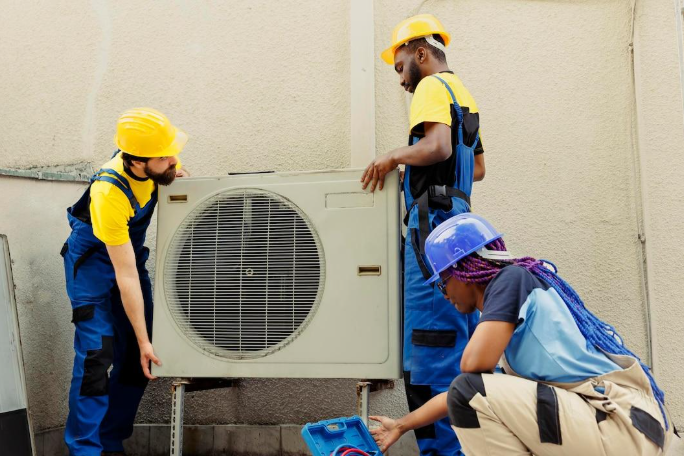
Some HVAC tasks are simple DIY projects and can be done at home on your own. While some tasks are complicated and need to be handled by professionals. System diagnostics, refrigerant leaks, electrical problems, or duct repairs should be checked by professionals. Only the expert residential hvac system technicians can handle all the HVAC systems regarding problems. They are well-equipped with the essential knowledge and have experience to meet your specific needs. From system installations to preventive maintenance and repairs, they ensure your home remains comfortable throughout the year.
Regularly Replace the Air Filters
Filters can easily catch or trap dust, pollen, pet dander, and other airborne particles. It is essential to stop them from circulating in your home and clogging your system. For this, you should clean your HVAC air filters or regularly replace them. Filter replacement allows fresh air to flow freely and helps your HVAC system operate smoothly and use less energy. You should replace filters every 1-3 months. For checking filters regularly, you can mark a calendar or set a reminder. This way, you can prevent your home from increasing energy costs, reducing comfort, and premature system wear.
Check Thermostat Settings
The thermostat is the control center of an HVAC system. You should ensure that it is correctly set and functioning properly so that you can improve comfort and efficiency in your home. For thermostat management, you can use programmable or smart thermostats. When rooms are unoccupied, or you are far away or go to sleep at night, these devices adjust the temperature automatically depending on your schedule. Moreover, you should set ideal temperatures. Finally, don’t forget regular checks. You should make sure that your thermostat is calibrated and responding properly to changing temperatures.