Scandinavian Interior Design: Timeless Nordic Style Explained


Introduction
Scandinavian Interior Design is more than a decorating trend; it is a reflection of a way of life shaped by climate, culture, and values rooted deeply in Northern Europe. The philosophy behind this style focuses on simplicity, functionality, and emotional comfort. Long winters and limited daylight influenced Nordic societies to create interiors that feel warm, bright, and welcoming. Homes became sanctuaries where balance, calm, and human well-being were central ideas rather than afterthoughts. This design approach values thoughtful living spaces that support daily life without unnecessary ornamentation or excess.
At its core, this philosophy celebrates the idea that beauty should be accessible and practical. Furniture and decor are designed not only to look elegant but also to serve a clear purpose. The emphasis on harmony between form and function means that every object in a room has a reason to exist. This mindset aligns with a broader cultural belief that life should be lived intentionally, with attention to quality over quantity. Interiors become expressions of mindfulness, where clutter is minimized and calmness is maximized.
Another essential element of this philosophy is the relationship with nature. Nordic interiors aim to bring the outdoors inside, both visually and emotionally. Natural light is treated as a precious resource, and spaces are arranged to capture and reflect it as much as possible. Materials are chosen for their organic feel, and layouts often encourage openness and flow. The result is an environment that feels breathable and soothing, supporting both mental clarity and physical comfort.
History of Scandinavian Interior Design

The roots of Scandinavian Interior Design can be traced back to the early twentieth century, when social changes and industrialization began shaping modern Nordic societies. Designers and architects sought solutions that would improve everyday living for ordinary people rather than catering exclusively to the elite. This democratic approach to design became a defining characteristic of the region. Furniture and home goods were created to be affordable, durable, and aesthetically pleasing, ensuring that good design was not reserved for a privileged few.
During the mid-century modern movement, Nordic designers gained international recognition for their innovative yet restrained work. Clean lines, gentle curves, and an absence of excessive decoration set their creations apart from more ornate European styles. Influential exhibitions and collaborations helped introduce these ideas to a global audience, establishing the region as a leader in modern interior aesthetics. Despite growing popularity, the style remained deeply connected to local traditions and craftsmanship.
Over time, this design approach evolved while staying true to its foundational principles. New technologies and materials were integrated carefully, always with respect for simplicity and human comfort. Rather than chasing short-lived trends, Nordic interiors developed slowly and thoughtfully. This steady evolution explains why the style continues to feel relevant decades later, offering timeless appeal in an ever-changing design landscape.
Core Principles of Scandinavian Interior Design
Scandinavian Interior Design is built on a set of principles that guide every aspect of a space, from layout to furniture selection. One of the most important ideas is minimalism, though it differs from stark or cold interpretations. Here, minimalism is warm and inviting, focusing on reducing visual noise while enhancing comfort. Rooms are uncluttered but never empty, carefully curated to include only items that contribute to the overall atmosphere.
Functionality plays an equally vital role. Furniture is designed to support daily activities, whether it is a chair that encourages proper posture or storage solutions that keep spaces organized without dominating them. This functional focus ensures that homes are not only beautiful but also practical for real life. The balance between usability and aesthetics creates interiors that feel effortless rather than staged.
Light is another fundamental principle. Given the long, dark winters common in Nordic countries, interiors are arranged to maximize brightness. Large windows, light-colored walls, and reflective surfaces help distribute natural light throughout a space. Artificial lighting is also carefully considered, with multiple soft sources used to create a cozy ambiance. Together, these principles form a design language that prioritizes human experience above all else.
Scandinavian Interior Design Color Palette
The color palette associated with Scandinavian Interior Design is intentionally restrained, drawing inspiration from natural landscapes such as snow-covered fields, forests, and coastlines. Neutral tones like white, soft gray, and beige dominate interiors, creating a sense of openness and tranquility. These shades serve as a backdrop that enhances light and allows other elements, such as textures and materials, to stand out without overwhelming the senses.
Accents are used sparingly but thoughtfully. Muted blues, earthy greens, and gentle browns often appear in textiles, artwork, or small decorative objects. These colors add depth and warmth while maintaining the overall calm aesthetic. Rather than bold contrasts, the palette favors subtle transitions that feel harmonious and cohesive. This approach supports the idea of creating spaces that soothe rather than stimulate excessively.
Seasonal changes also influence color choices. During colder months, interiors may incorporate warmer tones through throws, cushions, or rugs to enhance coziness. In brighter seasons, lighter fabrics and softer hues help maintain an airy feel. This adaptability allows interiors to evolve throughout the year while staying true to their core identity.
Materials in Scandinavian Interior Design
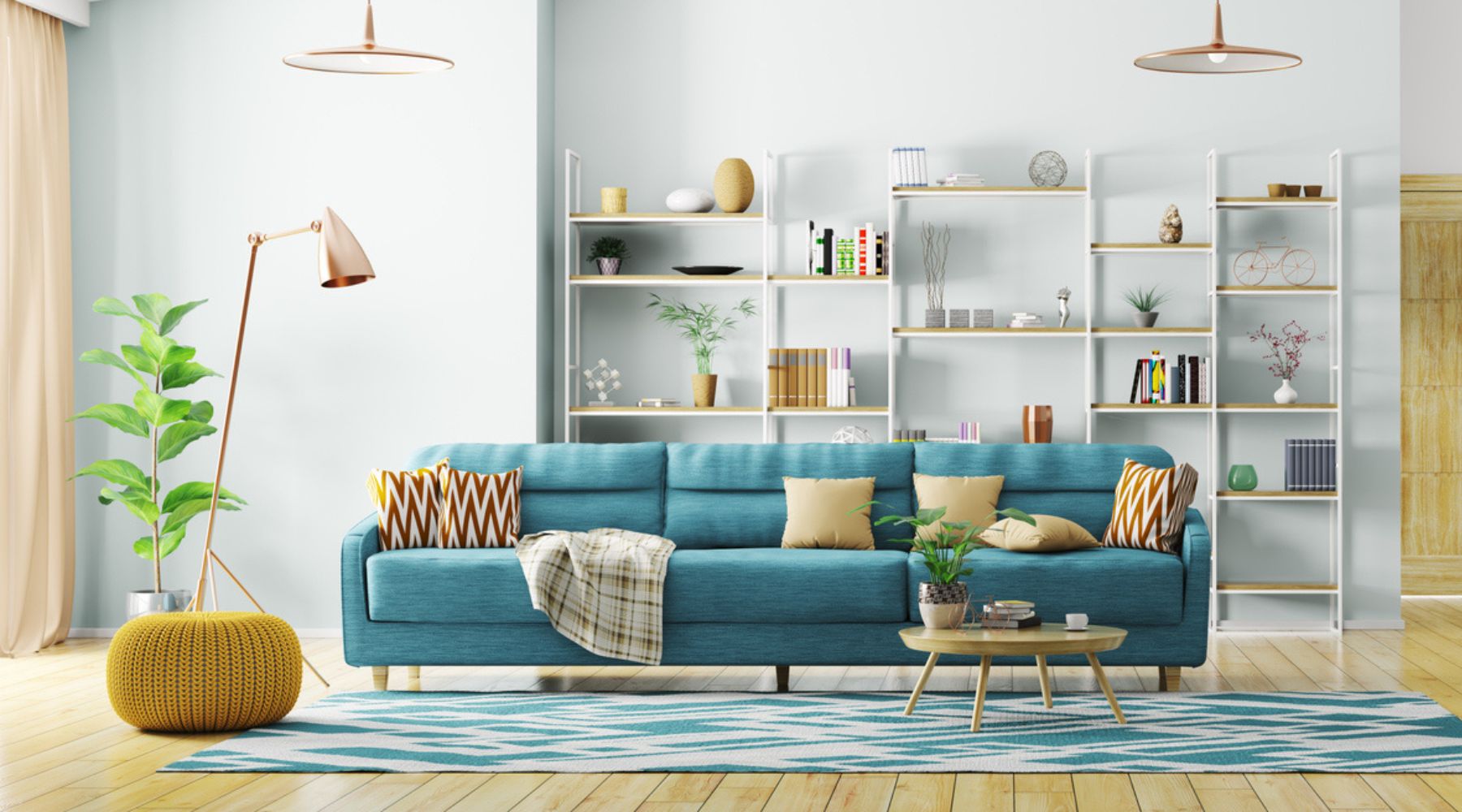
Natural materials are central to Scandinavian Interior Design, reflecting a deep respect for the environment and traditional craftsmanship. Wood is perhaps the most iconic material, used extensively in floors, furniture, and architectural details. Light-toned woods such as pine, birch, and oak are especially popular, as they enhance brightness and add organic warmth to interiors.
Textiles also play a significant role in shaping the sensory experience of a space. Wool, linen, and cotton are favored for their durability and tactile comfort. These fabrics introduce softness and texture, balancing the clean lines of furniture and architecture. Layering textiles through rugs, curtains, and upholstery helps create a sense of coziness without compromising simplicity.
Other materials like stone, leather, and ceramic are used selectively to add contrast and character. These elements bring subtle variation while maintaining a natural, understated look. The emphasis on quality materials ensures longevity, aligning with the philosophy of investing in pieces that age gracefully rather than following disposable trends.
Scandinavian Interior Design in Modern Homes
Scandinavian Interior Design adapts seamlessly to contemporary living, making it a popular choice for modern homes across the world. Open-plan layouts benefit particularly from this style, as its emphasis on light, flow, and cohesion helps large spaces feel unified and comfortable. Furniture arrangements are often flexible, allowing rooms to serve multiple purposes without feeling crowded.
In urban environments, this approach offers a sense of calm amid external chaos. Clean lines and neutral tones provide visual relief, while thoughtful storage solutions keep small spaces organized and functional. Even compact apartments can feel spacious when designed with attention to proportion, light, and simplicity. This adaptability explains why the style resonates strongly with modern lifestyles that value efficiency and balance.
Technology is integrated discreetly within these interiors. Rather than becoming a focal point, devices are incorporated in ways that preserve the overall aesthetic. This careful integration ensures that modern conveniences enhance daily life without disrupting the serene atmosphere. The result is a living environment that feels current yet timeless.
The Future of Scandinavian Interior Design
The future of Scandinavian Interior Design continues to evolve in response to global challenges and changing values. Sustainability has become an increasingly important focus, building on the style’s long-standing respect for nature and quality craftsmanship. Designers are exploring innovative materials and production methods that reduce environmental impact while maintaining aesthetic integrity.
There is also a growing emphasis on personalization. While the style is known for its restraint, future interpretations encourage individuals to express their identities within the framework of simplicity. Unique artworks, heirloom pieces, and handcrafted items are being integrated to add character and storytelling to interiors. This shift ensures that homes feel personal rather than generic.
As lifestyles become more fluid, interiors are expected to support work, rest, and social connection within the same space. The principles of balance, functionality, and comfort that define this design approach make it well suited to these evolving needs. By staying rooted in human-centered values, this style is likely to remain influential for generations to come, offering spaces that nurture both body and mind.
Read More:- Scandinavian Home Design Ideas for Modern, Cozy Living