
Choosing kitchen cabinets involves more than picking a color that looks attractive in a showroom. Cabinet doors influence the character of the room, while the finish affects how the kitchen interacts with lighting, countertops, flooring, and appliances. Since cabinetry usually remains in place for many years, homeowners benefit from considering both appearance and practical use before making a decision. For homeowners in Dublin, Ohio, cabinet planning can also provide an opportunity to make better use of the available kitchen space. The right combination of door profile, color, storage, and hardware can make a kitchen feel more cohesive without sacrificing everyday functionality. Understanding how these elements work together can make the selection process easier and more purposeful.
Start With the Kitchen Layout
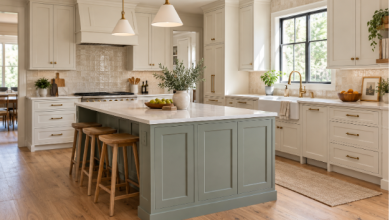
The kitchen layout should be considered before choosing a cabinet style. Walls, windows, doorways, appliances, and existing plumbing can all affect where cabinets can be installed. Homeowners should also consider how they move through the kitchen during common activities. Storage near the cooking area can hold cookware and utensils, while cabinets near the refrigerator may be useful for frequently accessed food items. An island can provide additional preparation space and storage when the room has enough clearance. However, it should not make movement difficult or interfere with cabinet and appliance doors. Planning the layout first creates a practical foundation for choosing the cabinet profile and finish later.
Understand the Role of Cabinet Door Profiles
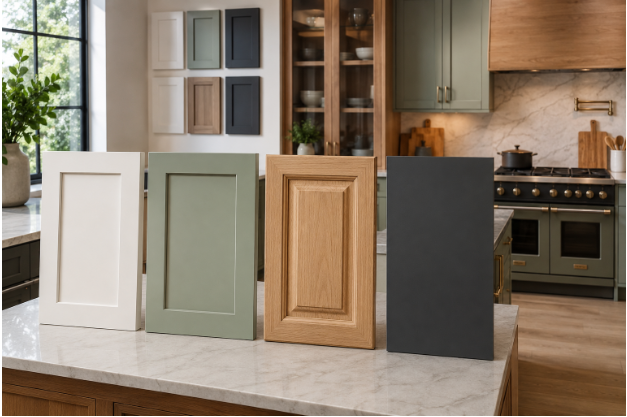
Cabinet door profiles are one of the main visual elements of a kitchen. Different designs can create different levels of detail, from highly decorative traditional doors to simple contemporary profiles. A homeowner’s choice should reflect the overall character of the room. Traditional interiors may benefit from more detailed cabinetry, while contemporary spaces may work better with clean, understated lines. Door profiles can also influence maintenance. Designs with more grooves, edges, and decorative details may require additional attention when cleaning. Simpler surfaces can be easier to wipe down during everyday kitchen use.
How Recessed Panel Cabinets Add Visual Character
A recessed panel door has a center panel set behind the surrounding frame. This construction creates more visual definition than a completely flat door while maintaining a relatively balanced appearance. Homeowners considering recessed panel kitchen cabinets can use this profile in kitchens where they want some traditional character without relying on heavily decorative cabinetry. The style can work with different finishes, hardware, and countertop materials, allowing the surrounding design elements to influence the final appearance. Columbus Cabinets City offers recessed panel cabinetry in a variety of colors, finishes, and product options, including grey, white, cream, blue, and darker finishes. The company’s collection also includes custom sizing options and professional installation.
Compare Cabinet Profiles With the Overall Home
A cabinet style should not be selected without considering the architecture of the home. A profile that looks appropriate in a contemporary condo may produce a different effect in a traditional house. Homeowners can look at existing trim, flooring, doors, furniture, and other architectural details when choosing cabinetry. The goal is not necessarily to make everything identical. Instead, the cabinet design should complement the character already present in the home. This approach can be particularly helpful when renovating an older property where original features are still visible.
Consider Cabinet Color Alongside the Door Style
After choosing a cabinet profile, color becomes another important consideration. The same door design can look dramatically different depending on the selected finish. Light colors can contribute to a bright and open appearance, while darker finishes can add contrast and visual weight. Neutral shades provide flexibility because they can generally be combined with a wide range of countertops and backsplashes. Homeowners should also consider how much natural light enters the kitchen. A finish that looks balanced in a brightly lit showroom may appear different in a room with limited daylight.
Why Grey Works With Different Kitchen Styles
Grey has become a versatile choice for homeowners who want a neutral cabinet color without using traditional white. It can provide subtle contrast while remaining adaptable to different materials. When evaluating grey kitchen cabinet designs, homeowners should look beyond the basic color name. Grey can range from very light shades to deeper charcoal tones, and undertones can make a finish appear warmer or cooler. Columbus Cabinets City’s grey cabinet collection includes lighter and darker options, along with products in greige and other related neutral tones. This variety allows homeowners to consider how different shades might work with their countertops, flooring, and lighting.
Match Grey Cabinets With Countertops
Countertops can either reinforce or contrast with a grey cabinet finish. White and cream surfaces can create a bright combination, while darker countertops can produce a more dramatic appearance. Natural stone and quartz surfaces with subtle veining can add texture without overwhelming the cabinet design. Wood tones can also introduce warmth and prevent a grey kitchen from feeling too cool. Homeowners should view cabinet and countertop samples together whenever possible. Looking at them separately can make it difficult to understand how their colors and patterns will interact in the finished room.
Choose Hardware Carefully
Hardware can change the visual character of cabinetry without requiring a major design change. The shape, size, and finish of knobs and pulls should complement the cabinet profile. Dark hardware can create contrast against lighter finishes, while brushed metal can produce a more understated appearance. Brass and bronze can introduce warmth and work well when similar finishes appear elsewhere in the kitchen. Comfort should also be considered. Hardware needs to be easy to grip, especially on drawers and frequently used cabinets.
Think About Lighting Before Finalizing the Finish
Kitchen lighting can affect how both cabinet color and door details appear. Natural light changes throughout the day, while artificial lighting can make certain finishes appear warmer or cooler. Under-cabinet lighting can improve visibility on countertops and highlight the cabinet finish. Pendant lighting over an island can provide both task lighting and a decorative feature. Before ordering cabinetry, homeowners can place finish samples in different areas of the kitchen and view them at different times of day. This simple step can reveal undertones that may not be obvious under showroom lighting.
Plan Storage Around Everyday Activities
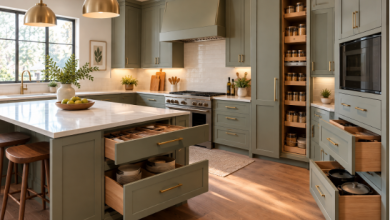
Cabinet selection should support the way the household actually uses the kitchen. A family that cooks regularly may need more drawer space for cookware, while another household may need larger pantry storage for groceries.
Useful storage features can include:
- Deep drawers for pots and pans
- Adjustable shelves for flexible storage
- Pull-out organizers for narrow spaces
- Pantry cabinets for food storage
- Corner solutions for difficult areas
The purpose of these features is to make the kitchen easier to use. Homeowners should prioritize storage that addresses real organizational problems rather than adding features simply because they are popular.
Consider Cabinet Construction and Hardware
The exterior appearance of a cabinet does not tell the complete story. Construction quality and hardware can influence how well the cabinetry performs over time. Homeowners should ask about cabinet-box materials, drawer construction, hinges, slides, shelving, and finish durability. Frequently used drawers and doors should have hardware capable of handling regular use. It is also useful to review warranty information and installation requirements before making a final purchase. These details help homeowners understand the overall value of different cabinet options.
Keep the Kitchen Easy to Maintain
Kitchen cabinets are exposed to food splashes, moisture, fingerprints, and frequent cleaning. The selected finish and door profile should therefore suit the household’s maintenance preferences. Smooth surfaces may be easier to wipe down, while more detailed profiles can have additional edges and recesses that require attention. This does not mean one style is automatically easier to maintain than another. Homeowners should simply understand the cleaning requirements before choosing a particular cabinet finish or profile.
Think About Long-Term Design Flexibility
Cabinetry is a long-term investment, so homeowners should consider whether their chosen style will work with future updates. Hardware, wall colors, lighting, backsplashes, and accessories can all be changed over time. A versatile cabinet profile and neutral finish can provide a stable foundation for these updates. This flexibility can be particularly useful for homeowners who want to refresh their kitchen gradually rather than completing another major renovation in a few years.
Consider Professional Cabinet Guidance
Selecting cabinets can involve many decisions, including measurements, door profiles, colors, storage configurations, hardware, and installation. Professional guidance can help homeowners evaluate these elements together.
For homeowners in Dublin, Ohio, a local cabinet provider can also make it easier to view cabinet samples and discuss how different options might work with the existing kitchen.
Columbus Cabinets City has a showroom in Dublin, Ohio, and provides cabinet collections organized by style, color, brand, and type. Its site also highlights design consultation, 3D rendering, custom cabinet options, and professional installation.
Final Thoughts
Cabinet door profiles and colors work together to establish much of a kitchen’s visual character. However, the best cabinet choice also needs to support storage, movement, maintenance, lighting, and everyday use. A recessed panel profile can introduce defined architectural detail, while grey finishes offer a flexible neutral foundation for different kitchen designs. By comparing these elements with the room’s layout, countertops, hardware, and lighting, homeowners can make more informed choices. For homeowners in Dublin, Ohio, thoughtful cabinet planning can turn a basic kitchen update into a more cohesive and functional space that continues to work well for years.