

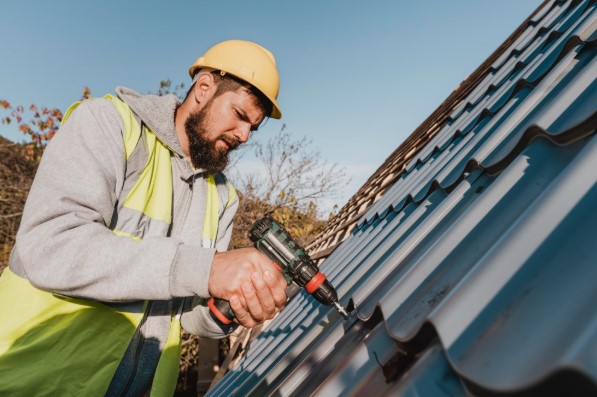
Planning to get your damaged roof fixed? Maybe you want to install a new roof on a newly constructed building? No matter the goal, it’s important to work with a reliable roofing specialist so the protection above you stands the test of time.
In today’s article, we’re going to highlight key things to check to help you find that gem.
Let’s get started.
Licenses and Local Registration
It’s the first thing you should verify. A roofing specialist must hold an active, valid business license and a required general contractor permit to operate in your area.
But why does it matter so much?
So, buildings in different areas are built differently. Proper licensing ensures that the specialist knows all the ins and outs of those unique local building standards. Some contractors may suggest you skip permits to save time and money. You should avoid them at all costs, and they may not be familiar with the unique dynamics of your building.
Insurance Coverage
Then, you need to verify if they also have general liability insurance and proper workers’ compensation coverage.
This insurance covers accidental property damage to your home, meaning the contractor will be solely responsible if damage occurs. Similarly, workers’ compensation will protect you from financial liability or a claim if a worker gets injured on your property.
Technical Knowledge of Roofing Expert
You need to ask what specific materials a roofing expert works with (such as asphalt shingles, tiles, or flat membranes). You also need to make sure they have a strong understanding of manufacturer-specific installation rules, like proper nailing zones and flashing integration.
And never forget to inquire how they handle critical trouble spots like roof valleys, chimney flashings, and ridge ventilation. A skilled roofer fully understands that poor valley flashing causes most leaks.
Asking these things will give you a clear idea of whether a contractor can work with your kind of roof.
Detailed Written Estimates
You should always insist on a comprehensive, itemised written proposal that explicitly breaks down labour costs, specific material types, and payment schedules.
Vague or verbal-only quotes can lead to misunderstandings. The contractor may also introduce hidden fees they didn’t mention earlier.
If someone hesitates to share those itemised quotes, it reveals what you need to know. Similarly, you should avoid contractors who demand full payment upfront, as paying all the money in advance leaves you with no recourse if they don’t fulfil their commitments.
Check Local References and Warranties
You can request references from local jobs completed within the last 12 months. Then confirm that both the manufacturer’s material warranties and the workmanship labour guarantees are provided in writing.
These things are important to check because established local contractors with a track record are easier to reach if warranty issues or leaks arise later. And be very cautious of out-of-state “storm chasers” who lack a permanent local address.
You can even visit their website or check the company’s Google profile page to see what people are saying about them. It will give you a good idea of their reputation.