Designing Outdoor Living Spaces That Stay Comfortable During Heatwaves

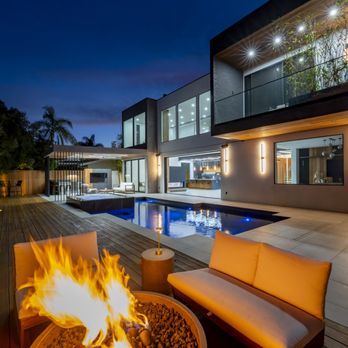
Severe heat is becoming the norm, and this is why people need to reconsider how they design their outdoor living spaces. Comfort in severe heatwaves is more than just installing a fan or umbrella. A well-designed, heat-resilient outdoor living space provides comfort even in severe weather conditions.
Why Heat Comfort Begins With a Design, Not Accessories
Your comfort in your backyard, patio, or even garden is determined before you even think of furniture and accessories. Your design, placement, and materials of your outdoor space determine how well it will withstand heat. Accessorizing is more of trying to combat discomfort after it has already started.
Outdoor Shade Strategies That Work
Shade is the first line of defense for keeping your space cool. Not all shade solutions, however, are created equal. The solutions include:
- Pergolas and covered patios: These permanent solutions can be used in conjunction with climbing vines for additional shading.
- Retractable awnings: These solutions can be very useful for those who wish to have shade sometimes and sun sometimes.
- Trees and living shade: There is nothing like real trees for adding beauty and shade to your outdoor living space.
A mix of these solutions for creating shade in your outdoor living space can be very effective in keeping your space cool.
Material Choices That Influence Surface Temperature
The surfaces that you walk and sit on can become very hot. You must choose the right materials that can withstand heat:
- Pavers and tiles: Lighter shades will reflect more sunlight and be cooler than darker shades.
- Composite deckings: They are made in a way that minimizes heat absorption.
- Natural stones: Some are cooler than others, especially if they are shaded.
You must avoid using surfaces that can absorb a lot of heat. Surface temperature reduction is a critical factor in making your outdoor living space comfortable, even in extreme weather.
Passive Cooling Design for Lasting Comfort
Designing for comfort involves considering the heat flow and how it settles in a particular area. Passive cooling design involves the layout of your outdoor spaces in maintaining a low temperature without the aid of a fan or mister.
- Open layout: Let the breeze pass through.
- Water features: Installing a small water fountain or pond may help in cooling the air.
- Vertical screens: Screens may be used to block the sun at a low angle while allowing the air to pass through.
These ideas in outdoor spaces may help maintain a comfortable environment despite the extreme heat.
Designing for Airflow in Outdoor Living Areas
Airflow in outdoor spaces is just as important as shade in maintaining a comfortable environment outdoors. Stagnant air may trap heat, making the environment hotter, while air flow may feel cooler against the skin.
- Orient your outdoor spaces to the wind.
- Leave gaps in fences or walls to allow the airflow.
- Construct outdoor spaces slightly off the ground to allow airflow underneath the structure.
These outdoor space ideas may help maintain a comfortable environment despite the extreme heat.
Reflective vs Absorbent Surfaces: What Matters Most?
Surfaces that reflect the sun’s rays tend to be cooler than those that absorb them. While choosing between these two surface finishes, look for light-finish surfaces that reflect heat. It is a small detail that can make a big difference in how comfortable your outdoor living space is in a heatwave.
Mistakes That Make Outdoor Spaces Unusable in Extreme Heat
Some design mistakes can be made that will even make a lovely outdoor space unbearable:
- Using dark-colored materials that will absorb the sun’s rays
- Building solid walls that will not allow a breeze to pass through
- Not incorporating a shaded area for seating
- Over-furnishing your outdoor space
By avoiding these design mistakes, you will be well on your way to a functional outdoor space even in extreme heat.
Planning for Long-Term Comfort and Durability
Many homeowners also look to resources such as Way To Go Builders, Inc., where design decisions are considered from both comfort and durability aspects. Planning means that your outdoor living space will not only be enjoyable for years to come, but also when summers get hotter!
Extra Tips for Heat-Resilient Outdoor Living Spaces
Here are some simple ideas to make your outdoor space even better:
- Outdoor Rugs: Outdoor rugs can help keep your feet comfortable and protected from hot surfaces.
- Light Colors: Lighter colored fabrics and cushions can help keep your outdoor living space cooler because they reflect the sun’s rays.
- Outdoor Kitchens: If you plan to cook outdoors, make sure that your grill or oven is under a cover to prevent additional heat.
- Movable Shade: Consider using shade sails or umbrellas that can be moved according to the sun’s position.
- Flexibility in Seating: Consider using benches and chairs that can also be moved to a shaded area.
Why Small Details Matter for Comfort
Even small changes make a big difference. For instance, a simple fan could make a big difference in blowing air across the patio. Plants could provide extra shading to cool the space. Watering hard surfaces the night before could cool the surfaces the next day. All of this helps in making the space comfortable.
Outdoor Comfort During Extreme Heat: Real-Life Examples
There are many real-life examples where families use techniques to stay outside in extreme heat. A house with a big tree, a pergola, and light-colored stones will stay cool compared to a house with only a single umbrella and dark-colored stones. Good outdoor airflow planning and outdoor comfort design make the space cool enough to stay in extreme heat.
Creating heat-resilient outdoor living spaces requires a little thought, but the payoff is long-lasting. When every aspect of the space is designed to provide comfort, the space feels great during the heatwave.