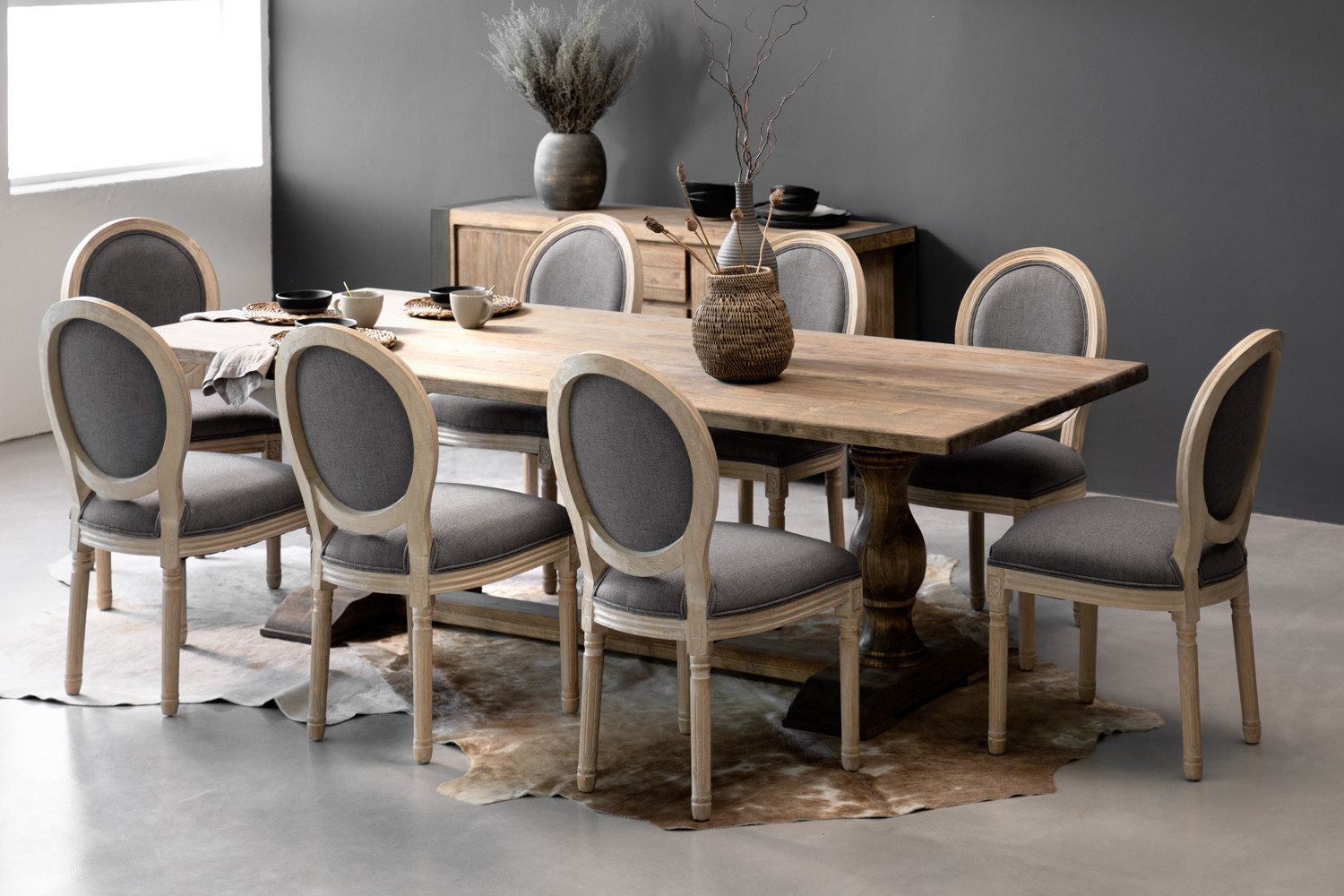
Dining Table Set Guide for Stylish, Functional Modern Homes

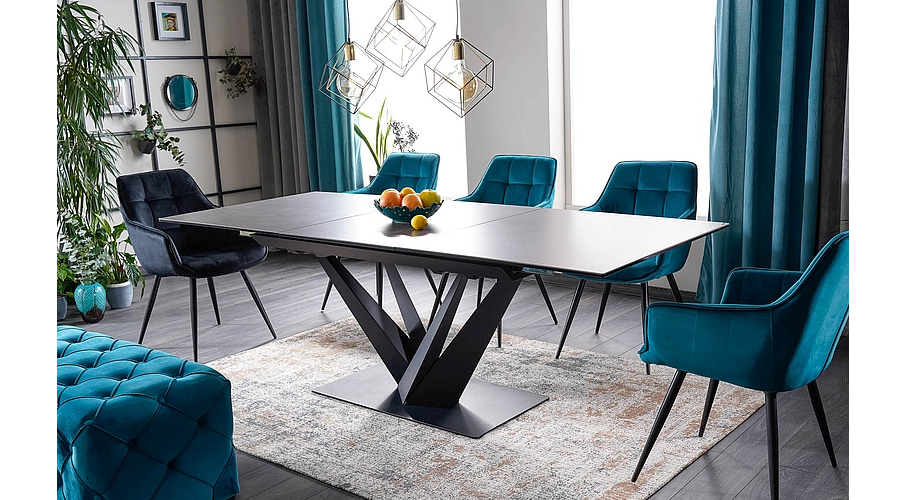
Introduction
A dining table set is more than just a piece of furniture placed in a dining area; it is the emotional and functional heart of many homes. It is where families gather to share meals, where conversations flow freely, and where celebrations quietly unfold over everyday routines. In modern interior design, the dining table set has evolved from a simple utility item into a statement of personal style and lifestyle preferences. Whether placed in a dedicated dining room, an open-plan living space, or a compact apartment corner, it plays a central role in defining how people interact within their homes. Choosing the right dining table set involves understanding space, materials, comfort, and aesthetics, all of which come together to create a welcoming and practical environment that supports daily life.
The Evolution of Dining Spaces and Furniture
Historically, dining spaces were formal areas reserved for special occasions, often showcasing heavy wooden furniture and elaborate craftsmanship. Over time, changing lifestyles, urban living, and flexible home layouts have reshaped how dining furniture is designed and used. Today, a dining table set reflects versatility, blending seamlessly with casual meals, work-from-home needs, and social gatherings. Contemporary homes favor adaptable designs that balance elegance with comfort, allowing dining areas to function as multipurpose spaces. This evolution has influenced the shapes, materials, and sizes of dining furniture, making it easier for homeowners to find a dining table set that aligns with both traditional values and modern convenience.
Importance of Choosing the Right Dining Table Set
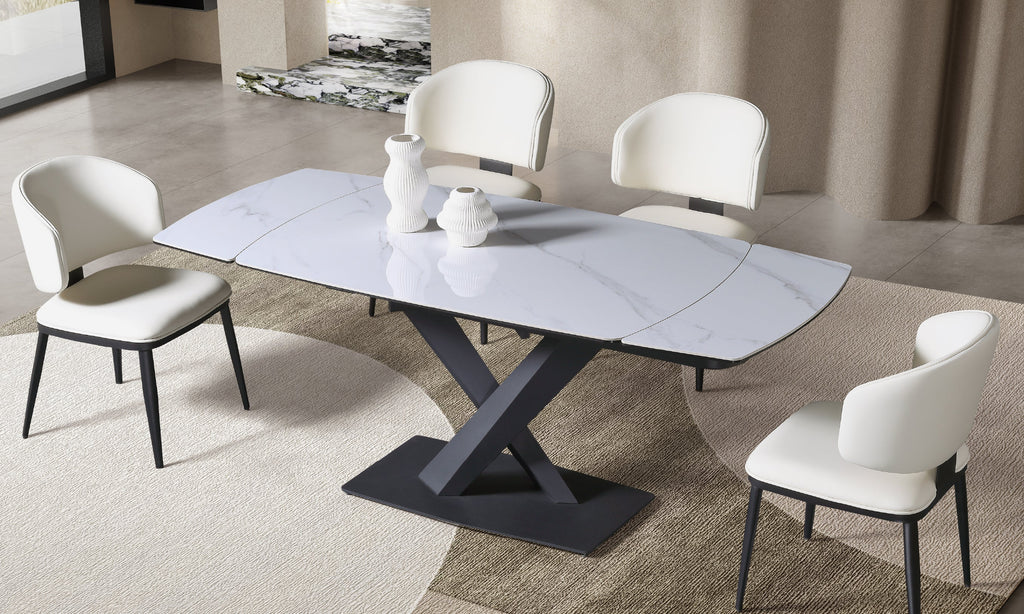
Selecting the right dining table set is essential because it directly affects comfort, movement, and the overall atmosphere of a home. A well-chosen set supports proper seating posture, provides enough surface area for meals, and complements the surrounding décor. Beyond functionality, it contributes to visual harmony by tying together colors, textures, and design themes. A dining table set that is too large can overwhelm a room, while one that is too small may feel inadequate for family needs. Thoughtful selection ensures that the dining area feels balanced, inviting, and aligned with everyday habits, making meals more enjoyable and social interactions more natural.
Understanding Space and Layout Before Selection
Before purchasing a dining table set, understanding the available space is crucial. Room dimensions, ceiling height, and proximity to other furniture all influence the ideal size and shape of the table. Adequate clearance around the table allows chairs to move freely and people to walk comfortably. In open-plan homes, the dining area often flows into the living or kitchen space, so the dining table set should visually connect with these areas without disrupting movement. Considering natural light, traffic flow, and room proportions helps ensure that the chosen set enhances the space rather than constraining it.
Shapes and Their Impact on Dining Experience
The shape of a dining table significantly affects how people interact during meals. Rectangular tables are classic and practical, especially for larger families, as they maximize seating and surface area. Round tables encourage conversation by allowing everyone to face each other equally, making them ideal for intimate gatherings and smaller spaces. Square tables offer symmetry and balance, often suiting compact dining areas or modern interiors. Oval designs combine the softness of round tables with the length of rectangular ones, providing flexibility and elegance. Each shape influences the dining experience differently, making it important to match the table form with both space and lifestyle needs.
Materials That Define Style and Durability
Materials play a major role in the look, feel, and longevity of a dining table set. Solid wood remains a popular choice due to its warmth, durability, and timeless appeal. It adds character to dining spaces and ages gracefully over time. Glass-topped tables create a sense of openness and light, making rooms appear larger while offering a sleek, modern aesthetic. Metal elements bring an industrial or contemporary edge, often combined with wood or glass for contrast. Engineered materials and composites provide affordability and consistency, catering to modern manufacturing standards. Choosing the right material ensures that the dining table set aligns with both aesthetic preferences and practical requirements such as maintenance and durability.
Comfort and Ergonomics in Dining Chairs
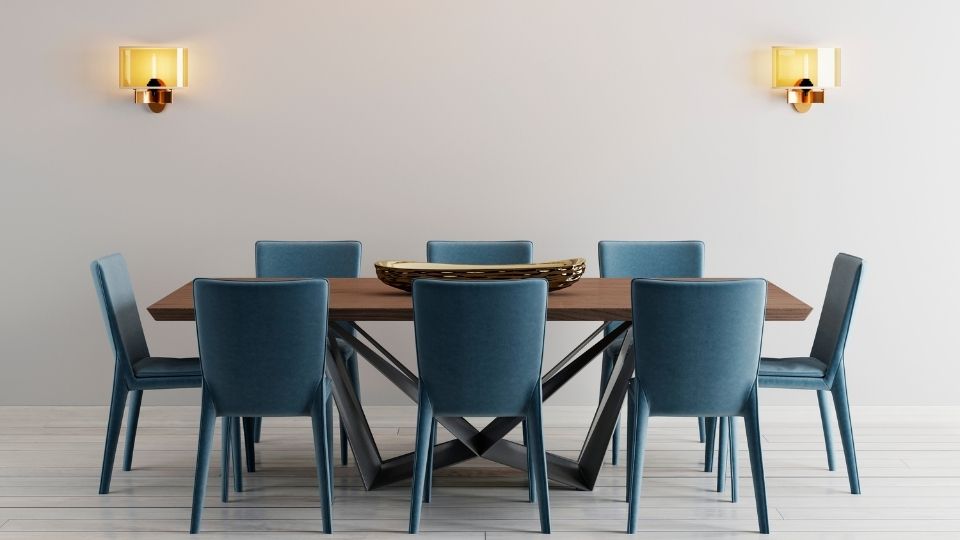
While the table often takes center stage, chairs are equally important in a dining table set. Comfort is key, especially for long meals or gatherings that extend into conversations. Well-designed chairs support posture, provide adequate cushioning, and allow natural movement. Seat height, backrest angle, and arm support all contribute to a comfortable dining experience. Upholstered chairs add softness and warmth, while wooden or metal chairs offer durability and ease of cleaning. Balancing comfort with style ensures that the dining table set remains inviting and functional for everyday use.
Dining Table Set Styles for Different Interiors
Interior design styles influence the choice of a dining table set significantly. Minimalist interiors favor clean lines, neutral tones, and simple forms that create a calm and uncluttered look. Traditional homes often embrace ornate details, rich wood finishes, and classic silhouettes that convey warmth and heritage. Industrial-style spaces incorporate raw materials like metal and reclaimed wood, offering a bold and urban aesthetic. Scandinavian-inspired interiors focus on light colors, natural textures, and functional simplicity. Each style brings a unique personality to the dining area, and selecting a dining table set that complements the overall interior design enhances visual coherence and comfort.
Size Considerations for Families and Gatherings
The size of a dining table set should reflect household size and entertaining habits. Smaller households may prefer compact sets that save space while still offering comfort. Larger families or those who frequently host guests benefit from extended tables or designs that accommodate additional seating. Expandable tables provide flexibility, allowing homeowners to adjust seating capacity as needed without permanently occupying extra space. Choosing the right size ensures that the dining area remains functional for daily meals while being adaptable for special occasions and celebrations.
Open-Plan Living and Dining Integration
In open-plan homes, the dining area often shares space with the living room or kitchen, making visual harmony essential. A dining table set in such layouts should complement nearby furniture in terms of color, material, and style. This integration creates a seamless flow that enhances the sense of space and connectivity. Open-plan designs benefit from tables that are visually light yet sturdy, helping define the dining zone without creating barriers. Thoughtful placement and design choice ensure that the dining table set becomes a natural extension of the overall living environment.
The Role of Color and Finish
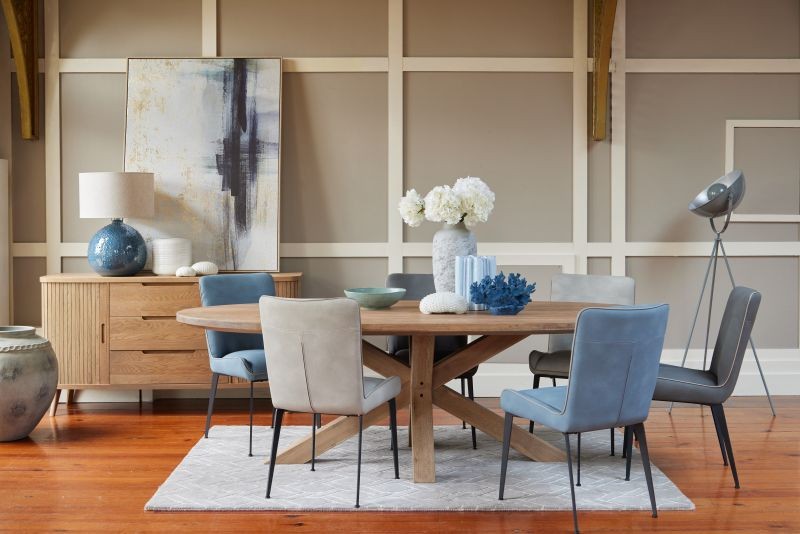
Color and finish influence how a dining table set interacts with light and surrounding décor. Light-colored finishes create an airy and spacious feel, making them ideal for smaller rooms or homes with limited natural light. Dark finishes add depth and sophistication, often becoming a focal point in larger dining areas. Neutral tones offer versatility, allowing easy coordination with changing décor styles. Finishes also affect maintenance, as glossy surfaces may show fingerprints while matte textures hide minor imperfections. Selecting the right color and finish enhances both aesthetics and practicality.
Maintenance and Long-Term Care
Maintaining a dining table set ensures its longevity and continued appeal. Regular cleaning, appropriate use of placemats, and protection from excessive moisture or heat help preserve surfaces. Wooden tables benefit from periodic polishing to maintain their finish, while glass surfaces require gentle cleaning to avoid scratches. Upholstered chairs may need occasional deep cleaning to remove stains and maintain freshness. Understanding maintenance requirements before purchase helps homeowners choose a dining table set that fits their lifestyle and willingness to care for furniture.
Sustainability and Conscious Furniture Choices
Sustainability has become an important consideration in modern furniture selection. Many homeowners now seek dining table set options made from responsibly sourced materials and eco-friendly finishes. Sustainable choices reduce environmental impact while supporting ethical manufacturing practices. Durable designs that withstand daily use also contribute to sustainability by reducing the need for frequent replacements. Choosing quality furniture that lasts not only benefits the environment but also offers long-term value and satisfaction.
Cultural and Emotional Significance of Dining Furniture
Beyond design and functionality, a dining table set carries cultural and emotional significance. It is often the setting for family traditions, festive meals, and meaningful conversations. In many cultures, the dining table symbolizes togetherness and hospitality, making its role deeply personal. Investing in a dining table set that resonates with these values enhances the emotional connection to the home. It becomes a place where memories are created, reinforcing the importance of thoughtful selection and placement.
Trends Influencing Modern Dining Table Set Designs
Contemporary trends emphasize flexibility, mixed materials, and understated elegance. Designers are blending wood with metal, glass with stone, and traditional forms with modern finishes to create unique dining furniture. Compact and multifunctional designs cater to urban living, while handcrafted details add authenticity and character. Neutral palettes paired with subtle textures dominate modern interiors, allowing dining spaces to feel both stylish and comfortable. Staying aware of trends helps homeowners choose a dining table set that feels current yet timeless.
Customization and Personal Expression
Customization allows homeowners to express personal style through their dining table set. From choosing specific finishes and upholstery to selecting table dimensions and shapes, customization ensures a perfect fit for individual needs. Personalized designs reflect lifestyle preferences, whether that means prioritizing comfort, aesthetics, or versatility. This level of personalization transforms the dining area into a unique space that feels tailored and meaningful, enhancing everyday living experiences.
Budget Considerations and Value
Budget plays a significant role in selecting a dining table set, but value extends beyond initial cost. Quality materials, solid construction, and thoughtful design contribute to long-term satisfaction. Investing in a well-made set often proves more economical over time, as it reduces the need for replacements or repairs. Balancing budget with quality ensures that the chosen dining furniture meets both financial and functional expectations without compromising style or comfort.
Conclusion: On Choosing the Perfect Dining Table Set
A dining table set is a central element that shapes how people gather, interact, and enjoy their homes. By considering space, materials, comfort, style, and long-term needs, homeowners can select a set that enhances both functionality and aesthetic appeal. Thoughtful choices create a dining environment that supports daily routines while accommodating special moments. Ultimately, the right dining table set brings together design and purpose, transforming a simple dining area into a welcoming and meaningful space that reflects the heart of the home.
Read More:- Small Sofa Bed Guide for Compact Homes and Modern Living