Exploring Different Roofing Options for Residential and Commercial Properties

When it comes to choosing the right roof for your property, the options can be overwhelming. Both residential and commercial buildings have unique needs that necessitate different roofing solutions. Whether you’re building a new home or upgrading an existing commercial property, understanding the variety of available roofing options can guide you toward the perfect choice, ensuring longevity, sustainability, and aesthetic appeal.
Residential Roofing: Ensuring a Safe and Stylish Home
Residential roofing is all about ensuring your home is protected while still aligning with your personal taste. From traditional to modern styles, the choices in residential roofing materials are vast. Asphalt shingles are among the most popular due to their affordability and easy installation process. They come in various colors and designs, offering good value and a decent lifespan. Wooden shakes, on the other hand, provide a natural and rustic appearance, though they might require more maintenance to ensure longevity.
Metal Roofing: A Durable and Eco-Friendly Choice
Metal roofing offers an excellent option for both residential and commercial properties due to its durability and energy efficiency. Ideal for various climates, metal roofing can withstand harsh weather conditions, from heavy snow to intense heat. Although initially more expensive, its longevity and minimal maintenance requirements often result in significant cost savings over time. Metal roofing is available in many styles and colors, making it a versatile choice for those looking to make an eco-friendly impact.
Commercial Roofing: Catering to Complex Needs
Commercial properties often require more complex roofing solutions than residential buildings due to their size and the type of activities conducted within. Flat roofs are common in commercial settings, providing a cost-effective and space-efficient solution. These roofs can be constructed using materials like built-up roofing systems (BUR), modified bitumen, or single-ply membranes like TPO (Thermoplastic Olefin) or EPDM (Ethylene Propylene Diene Monomer). Each material has its advantages, whether it’s TPO’s energy efficiency or EPDM’s resilience to extreme temperatures.
Green Roofing: Integrating Nature with Architecture
Incorporating nature into roofing is a growing trend for both residential and commercial properties through green roofing. These living roofs consist of a waterproof layer, a root barrier, drainage systems, and vegetation. Green roofs offer environmental benefits such as reducing stormwater runoff, improving insulation, and contributing to biodiversity. They also provide an aesthetically pleasing view and can offer leisure space in urban environments. While the initial installation can be complex and costly, the long-term benefits to the environment and energy savings are significant.
Tile Roofing: Combining Beauty and Longevity
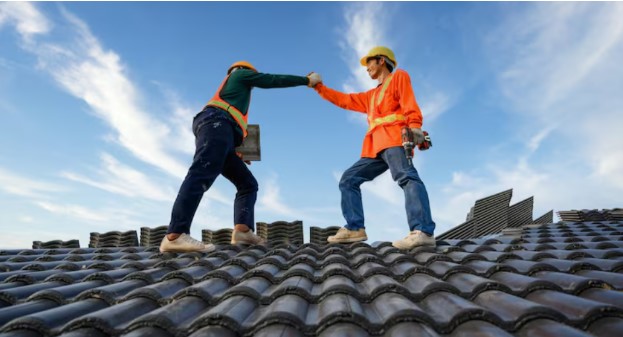
Tile roofing is an attractive option common in Mediterranean and Spanish-style architecture, but it is also making its way into various modern designs. Made from materials like clay or concrete, tile roofing offers remarkable durability with a lifespan often exceeding 50 years. It’s resistant to fire and can endure harsh weather conditions, thereby providing an excellent investment for those looking for a long-term solution. While heavier and often more costly to install, the aesthetic appeal and minimal maintenance make tile roofing an appealing option.
Conclusion
Selecting the ideal roofing material depends on numerous factors, including the architectural style of your property, climate conditions, budget, and personal preferences. Residential roofing options like asphalt shingles and metal roofing provide a blend of style and function, while commercial properties might benefit from the practicality of flat roofs or the forward-thinking approach of green roofs. Regardless of the type, it’s crucial to invest in quality materials and professional installation to ensure your roof provides protection and peace of mind for years to come. By carefully evaluating these options, property owners can make informed decisions that enhance the value and functionality of their homes or commercial buildings.