

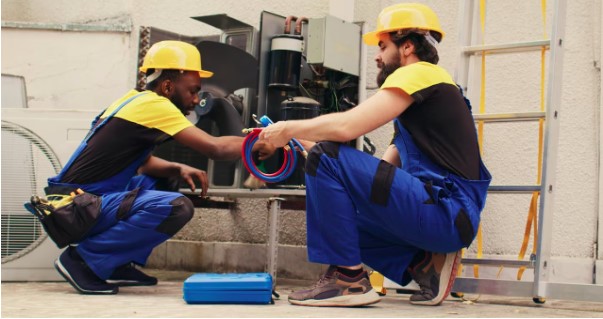
Maintaining a comfortable indoor environment requires a reliable heating and cooling system that functions efficiently throughout the year. Whether you are facing an emergency repair or planning a complete system upgrade, choosing the right provider is a critical decision for any homeowner.
The quality of the installation and maintenance will directly impact your monthly energy bills and the longevity of your equipment. To ensure you receive high-quality HVAC services, there are several essential factors you should evaluate before signing a contract.
1. Verify Proper Licensing and Insurance Coverage
The first step in vetting a contractor is ensuring they hold the necessary legal credentials to operate in your region. A reputable company should be fully licensed to perform mechanical work and carry comprehensive liability insurance.
This protects you as a homeowner in the event of an accidental injury or property damage during the project. Professional hvac services always prioritize transparency by providing proof of these documents upon request, giving you peace of mind that the technicians are qualified and the business is legitimate.
2. Evaluate Technical Expertise and Certifications
Not all technicians possess the same level of training or experience. Look for companies that employ staff with industry-recognized certifications, such as those provided by North American Technician Excellence.
These certifications indicate that the individual has passed rigorous exams and stays updated on the latest cooling and heating technologies.
When you invest in expert HVAC services, you are paying for technical precision that prevents common installation errors, which can lead to frequent breakdowns and reduced system efficiency over time.
3. Ask for a Detailed In-Home Estimate
A trustworthy contractor will never provide a final quote over the phone without seeing your home first. They should perform a thorough inspection of your existing ductwork, insulation levels, and the square footage of your living space to determine the correct unit size.
A detailed written estimate should outline the cost of labor, materials, and any potential permit fees. By comparing transparent quotes for HVAC services, you can avoid hidden costs and ensure that the proposed system is properly scaled for your specific household needs.
4. Check Reputation and Customer Testimonials
In the digital age, a company track record is easily accessible through online reviews and third-party rating platforms. Look for consistent patterns in customer feedback regarding punctuality, professionalism, and the ability to solve complex mechanical issues.
Beyond online stars, ask the provider for local references who can speak to their long-term satisfaction with the work performed. A history of positive community engagement is a strong indicator that the provider values customer loyalty and stands behind their craftsmanship.
5. Inquire About Maintenance Plans and Warranties
The relationship with your contractor should not end the moment the installation is complete. Ask about the manufacturer warranties on the equipment and the labor guarantee offered by the company. Many top-tier providers offer annual maintenance agreements that include regular inspections and cleaning.
These proactive HVAC services are essential for catching minor issues before they turn into costly repairs and for keeping your system running at peak performance during extreme weather conditions.
6. Consider Energy Efficiency and Modern Technology
Modern heating and cooling systems are significantly more efficient than those manufactured a decade ago. Discuss high-efficiency options, such as units with high seasonal energy efficiency ratio ratings, which can drastically lower your utility costs.
Additionally, inquire about smart thermostat compatibility and zoning systems that allow you to control temperatures in different rooms independently.
A forward-thinking contractor will help you choose a system that balances initial upfront costs with long-term energy savings and modern convenience.