
Introduction
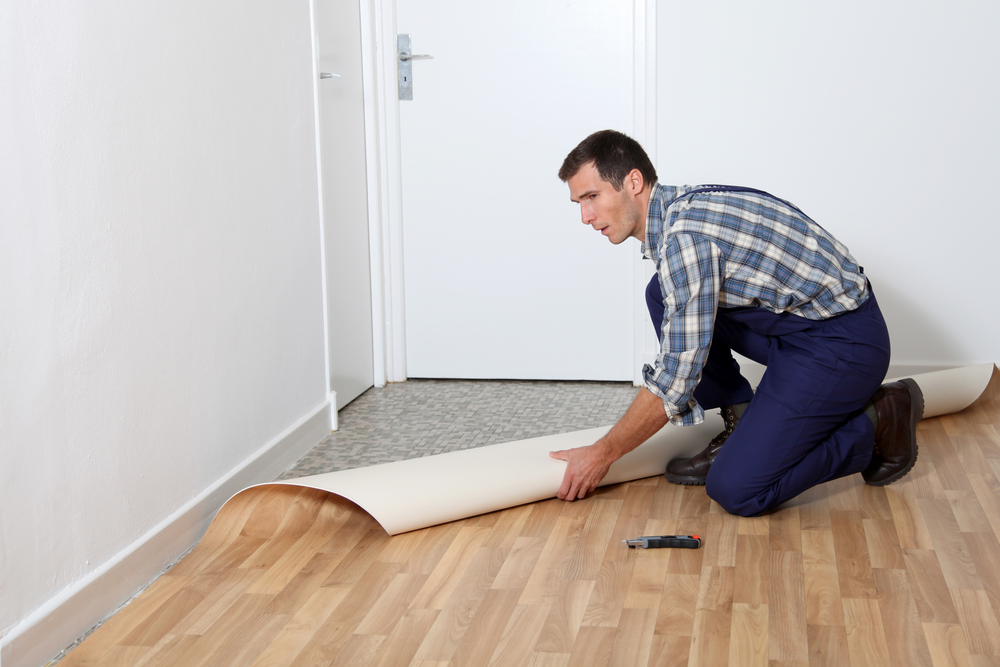
For more than a hundred years, linoleum flooring has been a reliable option for both residential and commercial environments. With its long-lasting nature, environmental benefits, and adaptable aesthetics, linoleum flooring remains a unique blend of functionality and design. In contrast to numerous contemporary synthetic flooring choices, linoleum is produced using natural substances such as linseed oil, cork dust, wood flour, and resins, which allows it to be biodegradable and eco-friendly. Thanks to its durability, the material can endure heavy foot traffic while still looking like new. Homeowners seeking a sustainable flooring option that combines durability with design flexibility should consider linoleum flooring; it’s a perfect choice.
A Look at the Past and Development of Linoleum Flooring
First created in the 19th century, linoleum flooring was designed to be a cost-effective and long-lasting flooring option. It first became popular in commercial spaces like schools, hospitals, and offices because it is practical and easy to maintain. Throughout the years, linoleum flooring has seen improvements in design and composition, with advancements in color, pattern, and texture allowing it to be used in homes. Nowadays, you can find linoleum flooring in countless designs, from classic solid hues to detailed patterns that resemble natural stone or wood. With its historical background and modern design advancements, linoleum flooring is a versatile choice for today’s interiors.
The Eco-Friendly Advantages of Linoleum Flooring

A key advantage of linoleum flooring is its eco-friendly nature. Linoleum flooring, which is mainly crafted from renewable and biodegradable materials, has a significantly lower ecological footprint than vinyl or other synthetic flooring options. Linseed oil, which is derived from flax seeds, is an essential component that helps enhance the natural durability of the material. By incorporating cork dust and wood flour, which are by-products from other industries and often used as fillers, the material’s eco-friendly profile is further improved. Moreover, linoleum flooring does not contain harmful substances like PVC, phthalates, or formaldehyde, which makes it a safer option for maintaining good indoor air quality. Eco-friendly homeowners can choose linoleum flooring as a sustainable option that also offers great style and functionality.
Design Options with Linoleum Flooring
The design versatility of linoleum flooring is unparalleled. In contrast to most flooring options, it can be made in nearly any color or design, which gives homeowners the ability to customize their floors to match specific design themes. Whether you prefer soft, natural hues that evoke tranquility or striking, bright shades that command attention, linoleum flooring is versatile enough to enhance various interior designs. It offers a high degree of customization, including inlaid designs, geometric patterns, and even custom motifs. Because it combines practicality with artistic expression, interior designers value linoleum flooring, making it a favored option for residential and commercial projects alike.
Lifespan and Upkeep of Linoleum Flooring
A key benefit of linoleum flooring is its long-lasting durability. With the right installation and upkeep, linoleum flooring can endure for decades without displaying much wear. Thanks to its natural composition, it is resistant to scratches, dents, and stains, and its sturdy surface provides comfort underfoot. To keep linoleum flooring in good shape, you should regularly clean it with a damp mop and mild soap, steering clear of harsh chemicals that can harm the surface. To boost its shine and guard against moisture, you can periodically apply natural floor polish to your floor. With its impressive durability and minimal maintenance needs, linoleum flooring is a smart option for high-traffic zones like kitchens, hallways, and living rooms.
Methods for Installing Linoleum Flooring
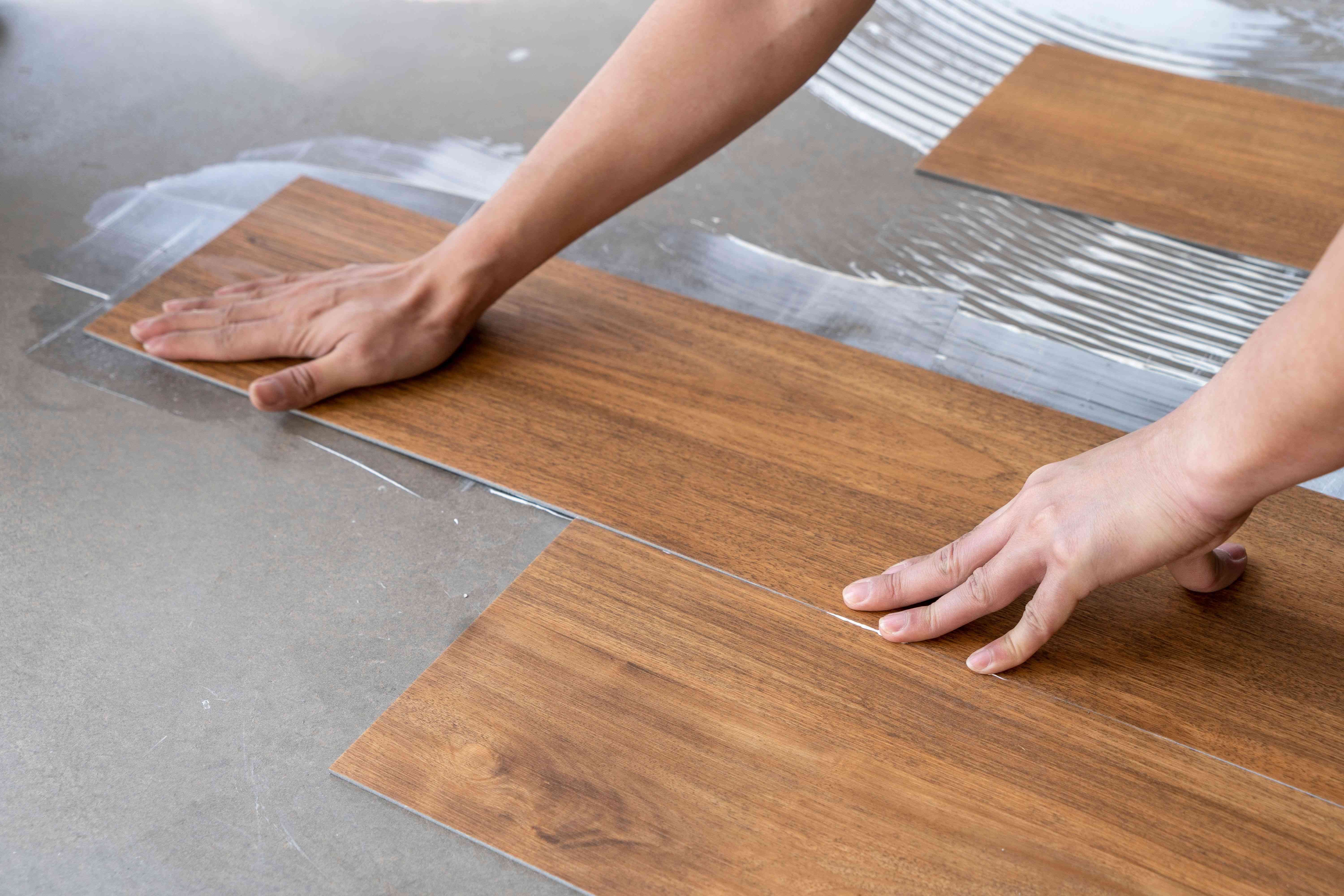
To achieve a smooth and long-lasting result when installing linoleum flooring, it’s crucial to prepare carefully and pay attention to detail. To avoid any imperfections appearing on the finished surface, the subfloor must be clean, dry, and level. Depending on the desired look and functional needs, linoleum flooring can be installed in sheets, tiles, or planks. Expert installation usually requires applying adhesive and making precise cuts to match the room’s contours. Although some homeowners might opt for a DIY approach to linoleum flooring installation, it’s best to hire skilled professionals to ensure the material lasts as long as possible and looks seamless. When installed correctly, linoleum flooring provides a beautiful and durable surface that can withstand years of use.
Comparing Linoleum Flooring with Other Flooring Choices
Linoleum flooring offers several unique advantages over other flooring options like vinyl, laminate, or hardwood. Linoleum flooring is produced from natural, renewable materials, unlike vinyl, which is made from petroleum and is non-biodegradable. Linoleum flooring is more comfortable underfoot and offers better thermal insulation than laminate. Although hardwood has a classic charm, it is susceptible to scratches, moisture damage, and higher maintenance costs; in contrast, linoleum flooring is both durable and easy to maintain. Moreover, linoleum flooring is often less expensive than premium hardwood or stone options, making it a great choice for homeowners who want both affordability and durability.
Advantages for Health and Indoor Air Quality
Linoleum flooring helps create healthier indoor environments. Linoleum flooring is safe for the home as it is free from harmful chemicals and VOCs that are often present in synthetic flooring options, meaning it doesn’t release toxic fumes. This makes it especially ideal for homes with kids, pets, or anyone who has allergies or respiratory issues. Thanks to its inherent antibacterial qualities, the material minimizes bacteria and mold growth, which further improves indoor air quality. As people become more conscious of environmental and health issues, linoleum flooring has become a top choice for anyone wanting to build safe, sustainable living spaces.
The Use of Linoleum Flooring in Contemporary Interior Design
The use of natural materials and a focus on sustainability are becoming key elements in contemporary interior design, making linoleum flooring a great choice for this movement. Thanks to its vast array of colors, textures, and patterns, designers can incorporate linoleum flooring into modern, minimalist, and even eclectic designs. It complements natural wood, stone, and metal finishes beautifully, crafting harmonious and attractive spaces. Linoleum flooring is suitable for kitchens, bathrooms, living rooms, and offices, providing both visual charm and practical advantages. Thanks to its versatility, linoleum flooring continues to be a fashionable and relevant option in contemporary interior design projects.
Lifespan and Economic Efficiency

The choice to invest in linoleum flooring weighs initial expenses against future value. Even though you might need a pro to install linoleum flooring at first, its long life and durability make it a smart choice for your budget in the long run. Unlike carpets that need to be replaced often or synthetic floors that wear out over time, linoleum flooring can keep its look and function for decades with very little upkeep. Thanks to its long-lasting nature, along with being environmentally friendly and adaptable in design, linoleum flooring provides homeowners with both economic and ecological advantages.
Challenges and Factors to Think About with Linoleum Flooring
Although linoleum flooring has many benefits, there are some factors to consider. Because the material can be sensitive to excess moisture, it’s advisable to seal it properly in areas like bathrooms, kitchens, and basements. Without protective pads, heavy furniture or sharp objects can create indentations on surfaces. Moreover, while cleaning linoleum flooring is fairly easy, it’s important to avoid harsh chemicals to maintain its natural finish. Homeowners can reap the rewards of linoleum flooring by recognizing these challenges and adhering to suggested care practices to minimize potential problems.
Linoleum Flooring: What Lies Ahead
With sustainability taking center stage in architecture and interior design, linoleum flooring is set to be recognized even more. Improvements in manufacturing processes, design choices, and installation methods keep broadening its attractiveness. With the addition of new designs, textures, and sustainable finishes, manufacturers are improving the look and functionality of linoleum flooring. With the continued focus on renewable materials and eco-friendly design, linoleum flooring is set to stay a relevant and popular option for many years to come.
Conclusion: The Continued Importance of Linoleum Flooring
Beyond being a conventional flooring option, linoleum flooring is a versatile, long-lasting, and environmentally friendly choice that caters to the needs of contemporary life. A homeowner’s quest for style and functionality finds a compelling option in this material, thanks to its rich history, eco-friendly advantages, and design versatility. With its easy upkeep and longevity, along with the benefits it brings to indoor air quality, linoleum flooring is a wonderful combination of aesthetics, practicality, and sustainability. Opting for linoleum flooring is a choice that showcases good taste and eco-awareness, making sure that homes can be beautiful and responsible for generations to come.
Read More:- Home Furniture Stores Guide for Modern and Traditional Living