
Paving Cork Contractors — How to Spot a Bad One Before You Sign Anything

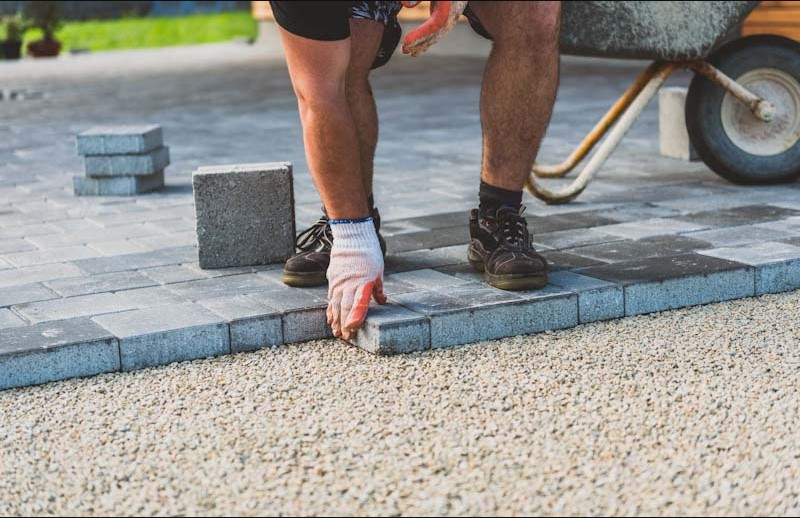
There are plenty of decent tradespeople in the paving sector, but sadly there are plenty of chancers too. If you’ve done any research on Paving Cork online, you’ve probably seen the horror stories—driveways disintegrating within a year, contractors leaving halfway through a job, or deposits disappearing altogether.
The good news is that there are nearly always ways to avoid these problems if you know what to look for before hiring a contractor.
Check Registration and Insurance
Request proof of public liability insurance. Any legitimate company providing Paving Cork services should have it, and you’ll want to know you’re protected if an accident happens on your property during the project.
It’s also worth asking whether the contractor is VAT registered. While it’s not the only sign of a professional business, it often indicates that you’re dealing with an established company rather than someone operating entirely in cash.
Reviews Tell Part of the Story
Google reviews are helpful, but they don’t tell you everything.
Ask for the addresses of two or three previous projects and, if possible, visit them—especially jobs completed at least a year ago. A driveway that still looks great after twelve months of Irish weather says much more than a five-star review written the week the work was finished.
Warning Signs to Watch For
- Reluctance to provide a written scope of work with a detailed breakdown of materials and labour.
- Asking for a large deposit before ordering any materials.
- No permanent business address or office phone number.
- Vague answers about sub-base depth or drainage plans.
Be Careful With Upfront Payments
It’s normal for a contractor to request a small payment upfront to cover materials for a Paving Cork project.
However, paying most of the cost before any work begins is a different matter. If a contractor insists on a large upfront payment and becomes defensive when you ask reasonable questions, it’s usually best to look elsewhere.
Trust Your Instincts, But Verify Everything
You’ll learn a lot simply by talking to the contractor during the site visit.
Do they clearly explain the process? Do they understand the conditions on your street? Contractors who have worked in the area before often know about local soil conditions, drainage issues, or roads that regularly flood after heavy rain.
Doing a little research before signing a contract can save a great deal of stress later, especially since a new driveway is a significant investment.
Get Everything in Writing
Verbal agreements offer very little protection if a dispute arises.
Every Paving Cork quotation should be written, dated, and clearly itemised. Ideally, it should include:
- Scope of work
- Materials to be used
- Payment schedule
- Estimated start date
- Expected completion timeframe
A driveway contract doesn’t need to be complicated, but it should clearly explain what both parties have agreed to before work begins.
What if Something Goes Wrong?
Even after doing your homework, problems can sometimes happen.
If a Paving Cork contractor stops responding or leaves the project unfinished, document everything immediately. Take photographs of the site and keep copies of emails, messages, invoices, and payment records.
For unresolved disputes, the Competition and Consumer Protection Commission may be able to assist with complaints about unfair commercial practices. The Small Claims Court may also be an option for eligible disputes involving lower-value claims.
Word travels quickly throughout Cork, especially in close-knit communities. Contractors who repeatedly provide poor service usually develop a reputation, which is why recent local reviews are often far more valuable than older ratings.
Ask People You Know for Recommendations
Sometimes the best recommendation doesn’t come from the internet. A neighbour, family member, or colleague who has recently completed a successful Paving Cork project can often provide more useful information than online reviews alone. You can see the finished work in person, ask about their overall experience, discuss communication, workmanship, and whether the project was completed on time. Personal recommendations remain one of the most reliable ways to find a trustworthy contractor.