
Protecting Your Dream Home from Wildfires: Essential Steps Every Homeowner Should Take

Understanding Defensible Space Zones
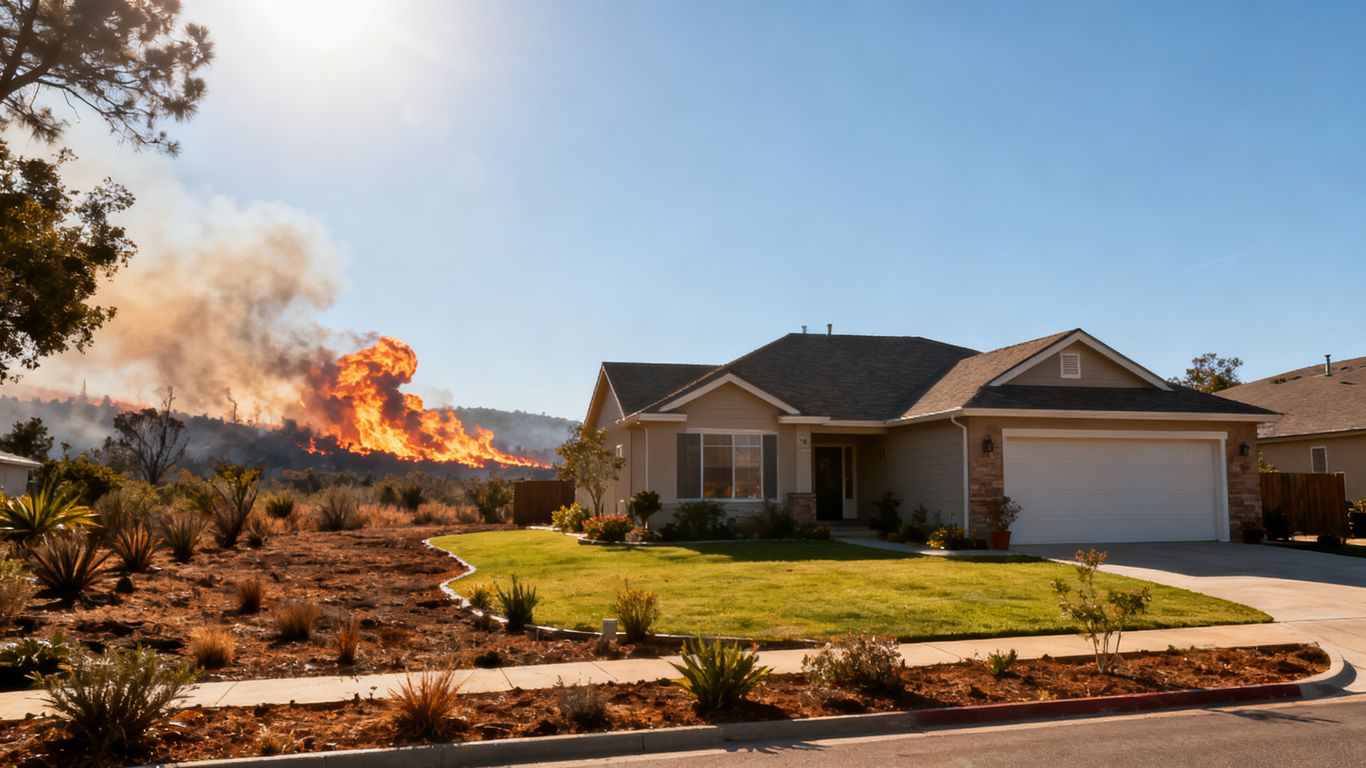
Creating a defensible space is a proactive measure homeowners can take to protect their property from wildfires. This concept involves establishing a buffer zone around your home where vegetation and other flammable materials are managed. The goal is to slow down an approaching wildfire, reduce its intensity, and provide a safer environment for firefighting efforts. This buffer is typically divided into distinct zones, each with specific management requirements. Understanding these zones is the first step in building a resilient property.
- Immediate Zone: This is the area closest to your home, extending out about 5 feet. It requires the most rigorous maintenance, focusing on removing all flammable materials. Think of it as a non-combustible perimeter.
- Intermediate Zone: Spanning from 5 to 30 feet from your home, this zone focuses on reducing fuel load. It involves thinning vegetation and creating space between plants and trees to prevent fire from easily spreading.
- Extended Zone: This zone extends from 30 to 100 feet (or more, depending on the landscape) from your home. Here, the focus is on managing larger vegetation and reducing the overall fuel available to an approaching fire. This area helps to slow down the fire’s advance and reduce its size and heat.
Properly implementing these zones significantly increases your home’s chances of survival during a wildfire event. For more detailed guidance on establishing these zones, resources from organizations like the National Fire Protection Association can be very helpful.
Clearing Immediate Zone Flammables
The immediate zone, the area extending up to five feet from your home’s foundation, is critical for preventing ignition. This space must be kept as free as possible from anything that can burn. Even small accumulations of flammable debris can act as a wick, carrying fire directly to your home.
- Remove all dead vegetation, including dry grass, leaves, and pine needles.
- Clear away any firewood piles, lumber, or other combustible storage from this area. If you must store firewood, keep it at least 30 feet away from structures.
- Use non-combustible landscaping materials such as gravel, stone, or concrete. Avoid using flammable mulches like wood chips or bark in this zone.
This zone is your first line of defense. Keeping it clear is a simple yet highly effective way to reduce the risk of your home igniting from embers or direct flame contact.
Managing Vegetation in Intermediate and Extended Zones
Beyond the immediate five-foot radius, managing vegetation in the intermediate and extended zones plays a vital role in slowing fire spread and reducing its intensity. The goal here is not necessarily complete removal, but rather strategic thinning and maintenance.
In the intermediate zone (5-30 feet), focus on:
- Spacing: Ensure adequate space between trees and shrubs. Remove lower branches of trees to create a minimum of 6-10 feet of clearance from the ground. This prevents ground fires from climbing into the tree canopy.
- Thinning: Reduce the density of vegetation. Remove dead or dying plants and thin out overgrown areas.
- Mowing: Keep grass mowed to a height of no more than four inches, especially during dry periods.
In the extended zone (30-100 feet or more), the emphasis shifts to:
- Fuel Reduction: Remove dead trees, fallen branches, and excessive ground litter.
- Tree Spacing: Create separation between tree canopies to prevent a fire from moving from one tree to another through the crowns (crown fire).
- Vegetation Type: Consider the flammability of native plants and manage them accordingly. Some plants are naturally more fire-resistant than others.
By diligently managing vegetation in these zones, you create a landscape that is less likely to support a fast-moving, intense wildfire, thereby protecting your home. This approach is a key component of wildfire home preparedness.
Enhancing Home Structures for Fire Resistance
When it comes to protecting your home from wildfires, the materials used in its construction play a significant role. Focusing on fire-resistant building components can dramatically reduce the risk of ignition and the spread of flames. It’s not just about the landscaping; the very bones of your house need to be tough.
Prioritizing Fire-Resistant Roofing Materials
The roof is often the first part of a home to be exposed to embers during a wildfire. Traditional asphalt shingles can break apart and ignite easily. Therefore, selecting roofing materials that can withstand high heat is paramount. Options include:
- Metal roofing: Standing seam metal roofs are highly durable and reflect radiant heat. They are also low maintenance.
- Clay tiles or slate: These natural materials are inherently fire-resistant and can offer a long lifespan.
- Composition shingles with a Class A fire rating: If using shingles, look for those specifically designed and tested for high fire resistance.
Selecting Non-Combustible Siding and Exterior Finishes
Similar to roofing, the exterior walls of your home need to resist ignition. Wood siding, while aesthetically pleasing, can act as fuel for flames. Consider these alternatives:
- Stucco: A cement-based plaster that provides a solid, non-combustible barrier.
- Fiber cement siding: This material is made from cement, sand, and cellulose fibers, making it resistant to fire, insects, and moisture.
- Masonry: Brick or stone exteriors offer excellent fire resistance.
For those looking for innovative solutions, materials like Faswall blocks, made from recycled wood chips and concrete, offer a strong fire rating and good insulation properties. Using steel framing instead of wood studs can also significantly slow the spread of fire within a home [adf7].
Protecting Vulnerable Areas Like Eaves and Soffits
Even with fire-resistant materials on the main structure, smaller details can create entry points for embers. Eaves, soffits, and vents are particularly susceptible.
- Enclose eaves and soffits: Use non-combustible materials such as metal, cement board, or stucco to cover these areas [5f69].
- Screen vents: Install metal screens behind roof vents and other openings to prevent ember intrusion.
- Consider shutters: For windows, especially those facing potential fire paths, installing metal shutters can provide an extra layer of protection against radiant heat and direct flame contact.
Mitigating Ignition Risks Outdoors
Beyond the structure of your home, what happens on your property’s exterior plays a big role in wildfire safety. It’s about reducing the chances of a spark finding something to burn. Think of it as removing potential fuel sources before they even get close to your house.
Maintaining Gutters and Downspouts
Gutters and downspouts can quickly become a collection point for dry leaves, pine needles, and other debris. This material is highly flammable and can easily catch fire from an airborne ember. Regularly clearing these areas is a simple yet effective step.
- Clear debris: Make it a habit to remove leaves, twigs, and other buildup from your gutters and downspouts.
- Check for damage: Ensure downspouts are securely attached and directing water away from your home’s foundation.
- Consider screens: Installing metal screens with small mesh openings can help prevent larger debris from accumulating.
Securing Outdoor Furniture and Storage
Items stored or placed around your home’s exterior can also pose a risk. Firewood piles, propane tanks, and even certain types of outdoor furniture can contribute to a fire’s spread.
- Firewood: Store firewood at least 30 feet away from your home, and ideally, keep it off the ground.
- Propane tanks: If you have propane tanks, ensure they are stored in a well-ventilated area, away from the house, and on non-combustible ground cover like gravel.
- Outdoor furniture: Opt for furniture made from less flammable materials. Cushions and covers should also be considered.
Assessing Outbuildings for Fire Vulnerability
Garages, sheds, workshops, and other detached structures on your property need the same fire-wise attention as your main home. These can act as secondary ignition points.
- Clearance: Maintain defensible space around outbuildings, just as you would around your house.
- Storage: Store flammable liquids, tools, and equipment safely, away from ignition sources and the structures themselves.
- Construction: If possible, consider using fire-resistant materials for outbuilding construction or upgrades. This is part of strengthening your home against wildfires [7e45].
Remember, the goal is to create layers of protection. By addressing these outdoor ignition risks, you significantly improve your home’s ability to withstand a wildfire. If you see a wildfire, remember to report it immediately by calling 911 [aaf2].
Strategic Landscaping for Wildfire Preparedness
Choosing Fire-Reluctant Plant Species
Picking the right plants really matters when the wildfire season rolls around. Some plants naturally catch fire less quickly than others, and these are smart choices for landscaping in risky areas. Examples of fire-reluctant species include deciduous trees like maples and oaks, as well as hardy groundcovers such as sedum. When deciding what to plant, it’s wise to check local guides or talk to nursery experts about what works best in a given climate. In places like Eastern Washington, there are even more targeted options for fire-resistant landscaping (planting fire-resistant plants).
Proper Placement and Maintenance of Vegetation
Even the most fire-resistant plants become a problem if they’re in the wrong spot or not looked after. Here are a few ways to keep the landscaping working in your favor:
- Leave at least five feet of free space between your home and any flammable plants or shrubs.
- Regularly trim trees and shrubs so branches aren’t hanging over the roof or growing into each other.
- Remove dead leaves, twigs, and other dry material from around the yard to reduce quick-burning fuel.
Spacing and keeping up with garden chores might not feel urgent, but small habits can really help stop a fire from getting out of control.
Utilizing Non-Combustible Mulch Alternatives
While mulch looks nice and keeps weeds down, not all mulch is safe in wildfire-prone areas. Wood chips and pine needles can catch fire from an ember. Instead, try using rock, gravel, or similar non-combustible ground covers closest to the house. Fire-resistant landscaping practices like these can help limit how fast fire travels and make a big difference in overall safety (fire-resistant landscaping is crucial).
Simple changes in your yard—nothing fancy—can help keep a home standing, even when wildfires come close.
Essential Home Maintenance for Fire Safety
Regular upkeep of your property is a key part of keeping your home safe from wildfires. It’s not just about the big landscaping projects; the small, consistent tasks make a real difference. Think of it as a continuous effort to reduce any chances of a stray ember finding something to ignite.
Regularly Cleaning Roofs and Gutters
Roofs and gutters can quickly become a collection point for dry leaves, pine needles, and other flammable debris. This material can easily catch fire from an ember that lands on your roof. It is vital to keep these areas clear, especially during dry seasons.
Here’s a breakdown of why this maintenance is so important:
- Roof Cleaning: Periodically inspect your roof for accumulated debris. Remove anything that looks like it could easily burn.
- Gutter Maintenance: Leaves and twigs in gutters can not only catch fire but also clog downspouts, leading to water damage or creating more fuel near your home’s foundation.
- Downspout Checks: Make sure water can flow freely through your downspouts and away from your house. Clogged downspouts can cause water to pool near the foundation, which isn’t ideal.
Clearing Debris from Property
Beyond the roof and gutters, the entire property needs attention. Think about all the places where dry vegetation and other burnable items might gather. This includes areas around your foundation, under decks, and anywhere else debris can accumulate. Removing this combustible material significantly reduces the fuel available for a wildfire to spread to your home. Consider moving firewood piles at least 30 feet away from the house, as suggested by fire safety experts [4d17].
Ensuring Clear Visibility of House Numbers
This might seem like a minor detail, but it’s incredibly important for emergency responders. In the chaos of a wildfire, firefighters need to be able to locate your home quickly and accurately. Make sure your house numbers are:
- Visible from the street: They should be large enough and placed where they can be easily seen, even from a distance.
- Well-maintained: Numbers that are faded, dirty, or obstructed by vegetation can be hard to read.
- Clearly lit: If possible, ensure they are illuminated at night, as emergency vehicles often operate in low-light conditions.
By staying on top of these maintenance tasks, homeowners can create a much safer environment and give their homes a better chance of withstanding a wildfire threat [39f0].
Building Materials That Protect Your Home
When it comes to protecting your home from wildfires, the materials used in its construction play a significant role. Opting for materials that resist ignition and slow the spread of flames can make a substantial difference in your home’s survival during a fire event. It’s about building a structure that can withstand the intense heat and flying embers common in wildfire situations.
The Importance of Non-Combustible Exteriors
Many homes in wildfire-prone areas are built with materials that can easily catch fire. Wood siding, for instance, can ignite quickly when exposed to embers. Shifting to non-combustible exterior finishes is a smart move. Materials like stucco, fiber cement siding, and natural stone offer a much more robust defense. These surfaces are less likely to ignite and can help prevent flames from penetrating the home’s structure. Choosing these materials is a primary step in creating a fire-resistant home.
Considering Fire-Resistant Construction Systems
Beyond just the exterior finish, the entire construction system matters. For example, steel framing is a good option because it doesn’t burn, warp, or collapse under extreme heat, unlike wood framing. Another innovative choice is Faswall blocks, which are made from recycled wood chips and concrete and boast a high fire rating. These blocks not only resist fire but also offer good insulation. When selecting construction systems, think about how each component will perform under fire conditions. You can explore a range of fire-resistant roofing materials, such as metal panels or clay tiles, which are far superior to traditional options fire-resistant roofing materials.
Investing in Heat-Resistant Windows and Doors
Windows and doors are often weak points in a home’s fire defense. Standard glass can shatter from heat, and poorly sealed doors can allow embers to enter. Investing in heat-resistant windows, often made with double-paned glass and specialized coatings, is advisable. Similarly, fire-rated doors provide an extra layer of protection. These components are designed to withstand higher temperatures and prevent flames and embers from breaching the home’s interior. When looking at exterior finishes, materials like fiber cement siding are also a strong consideration for their durability and fire resistance.